
Library / Planning
Guest prep pack
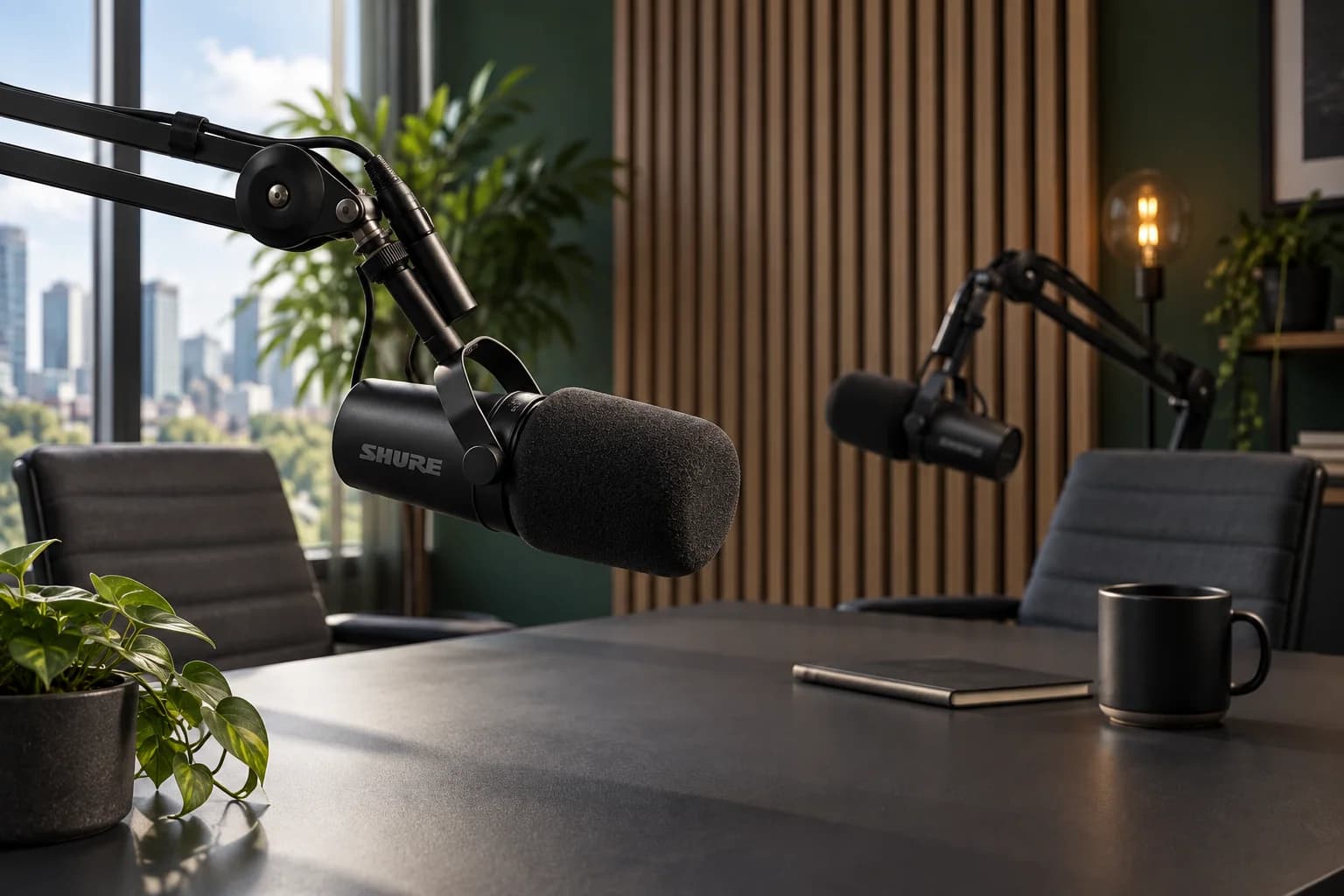

Create a concise guest-facing brief and a six-question interview ladder that invites specific stories while making logistics, boundaries and unresolved permissions visible.
podcast · guest · plan · clearance
Podcast Launch / Working resource / v1
Make the decision. Keep the record.
Create a concise guest-facing brief and a six-question interview ladder that invites specific stories while making logistics, boundaries and unresolved permissions visible.
Download worksheet (.md) ↓Includes instructions, a worked example and a blank worksheet. Edit in any text or Markdown editor. Save your copy with your project files; it does not sync to the shared demo.
How to use it
- Adapt the guest brief with real logistics and send it through your normal process. Nothing here sends an invitation. Confirm name pronunciation, role and what the guest is comfortable discussing.
- Use the six questions as a route through the story, not a demand for rehearsed answers. Ask one question at a time; follow the answer before jumping to the next item.
- Record the producer's confirmation of recording and intended uses before the session. This is an editorial checklist, not a legal release; use your own reviewed agreements where needed. Keep private contact details outside the shared demo.
Review before handoff
- Date, timezone, access and session expectations are confirmed outside the draft.
- Guest boundaries and intended recording/clip uses are resolved before recording.
- Questions invite evidence and disagreement without scripting or pressuring the guest.
Fictional worked example
Behind the Decision
An original teaching example, not a customer result. Reference filenames are illustrative; no source media is included.
- Guest-facing brief
- Hi Sam — we'd like to explore one decision from a delayed shoot for Behind the Decision. We want to understand the alternatives, not ask for a polished success story. Please confirm a suitable date, timezone and recording location with Rowan. We will agree the session length and intended episode/clip uses before recording. No booking is confirmed by this draft.
- Readiness and boundaries
- Sam is a fictional guest. Role and pronunciation to confirm; recording/clip permission unresolved. Invite a non-confidential production example. No client documents, private crew details or footage should be shared without checking permission first.
- Question 1 — Put us there
- What was happening when you realized the original schedule would not hold? Follow-up: What could you see or hear that made the problem clear?
- Question 2 — Define the constraint
- Which constraint mattered most in that moment? Follow-up: Was that a fixed limit, or an assumption you later challenged?
- Question 3 — Surface alternatives
- What options did the team seriously consider? Follow-up: What made the alternative you rejected look attractive at first?
- Question 4 — Name the trade-off
- What did you choose to protect, and what did that choice cost? Follow-up: Who saw the trade-off differently, and how did you resolve that?
- Question 5 — Examine the consequence
- What happened immediately after the decision? Follow-up: Which part do you know from direct observation, and which part is your interpretation now?
- Question 6 — Make it useful
- What would you ask before the next schedule slips? Follow-up: When would that advice not apply to another crew?
Preview the blank worksheet
The download includes these prompts plus project, version and approval fields. Duplicate rows when you need more coverage or episodes.
- Guest-facing brief
- Write the invitation with show promise, episode question, recording date/time/timezone, location/link, expected duration and contact person.
- Readiness and boundaries
- Confirm pronunciation, role, accessibility needs, topics to avoid, materials the guest may share and the producer's permission status.
- Question 1 — Put us there
- Ask for the specific moment and follow up on what was observable.
- Question 2 — Define the constraint
- Ask what could not change and how the guest knew that at the time.
- Question 3 — Surface alternatives
- Ask for the options that were actually available and one rejected path.
- Question 4 — Name the trade-off
- Ask what was protected, what was sacrificed and who needed to agree.
- Question 5 — Examine the consequence
- Ask what happened next and separate observed results from interpretation.
- Question 6 — Make it useful
- Ask for a practical next-time check and the limits of the advice.