
Library / Show bibles
Podcast launch kit
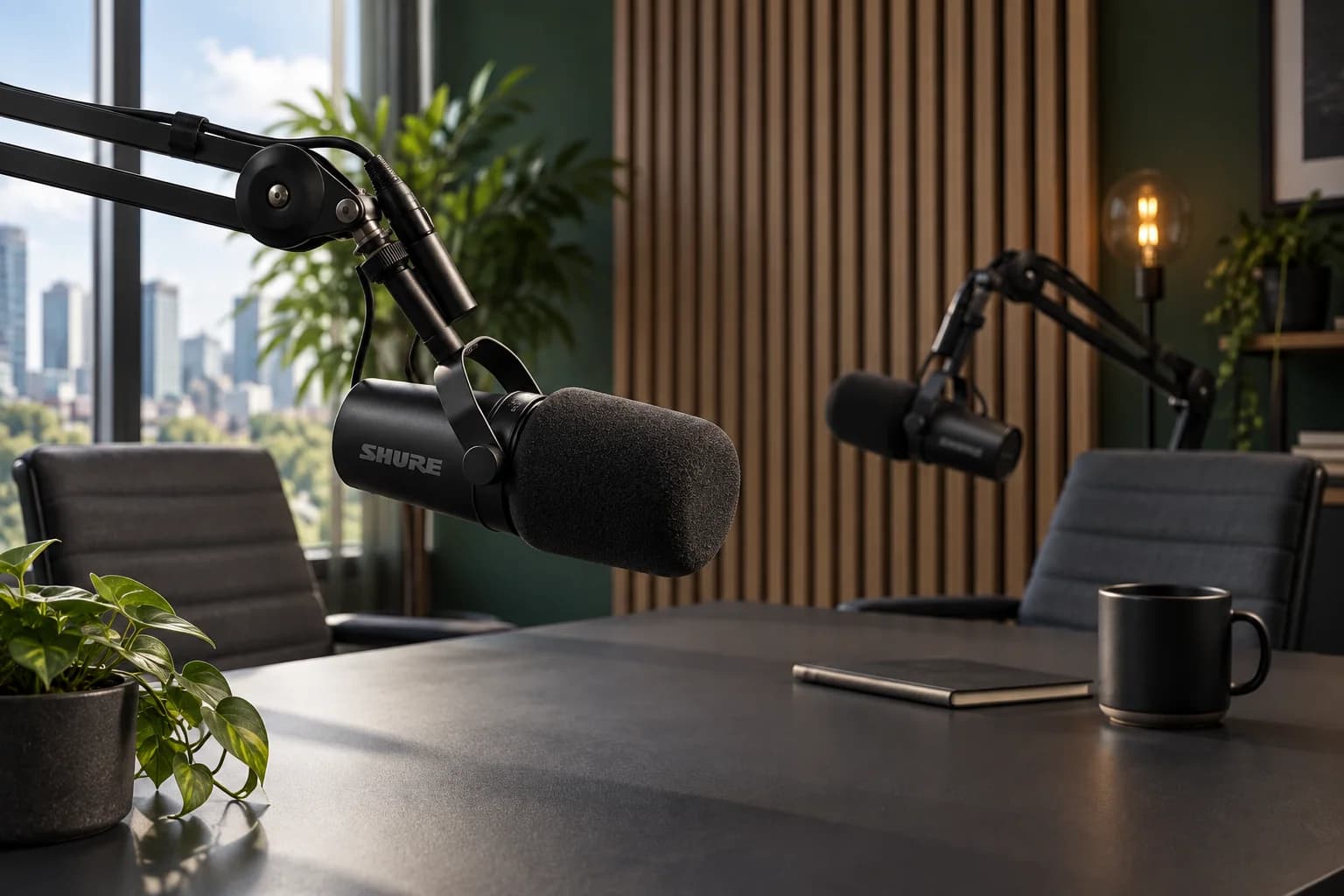

Define a show people can describe in one sentence, with a repeatable interview structure, editorial boundaries and a practical pilot-to-launch checklist.
podcast · show · launch · bible · interview
Optional demo graph stamp
Cold open, two segments, insert map, CTA. Multicam as coverage, not as an NLE.
Podcast episode engine template · Applies to the shared Mojave demo, not a private project. Worksheet notes are not imported.
Podcast Launch / Working resource / v1
Make the decision. Keep the record.
Define a show people can describe in one sentence, with a repeatable interview structure, editorial boundaries and a practical pilot-to-launch checklist.
Download worksheet (.md) ↓Includes instructions, a worked example and a blank worksheet. Edit in any text or Markdown editor. Save your copy with your project files; it does not sync to the shared demo.
How to use it
- Choose the listener and the recurring question before booking guests. Define what the show will help that listener understand, not the fame or reach you hope to achieve.
- Write the recurring segments and host behavior, then outline three episode ideas that fit those rules. A guest's biography is context, not the episode's entire structure.
- Record a private pilot and review the conversation, sound and packaging before announcing a release date. Assign owners to remaining launch tasks; this workbook does not create a podcast feed or publish anything.
Review before handoff
- Three episode ideas fulfill the same listener promise.
- The private pilot is reviewed for clarity and listenability before a launch date is announced.
- Each launch task has an owner and status; no feed, booking or audience outcome is claimed complete.
Fictional worked example
Behind the Decision
An original teaching example, not a customer result. Reference filenames are illustrative; no source media is included.
- Listener and promise
- Behind the Decision is a fictional show for small film crews. Each episode reconstructs one production decision, the options available at the time and the trade-off the team accepted.
- Host and editorial voice
- Host Rowan asks for a specific scene before a general lesson. Warm, direct questions; no interruption for a punchline. Summaries are offered back to the guest for correction rather than presented as their exact words.
- Recurring structure
- Open on the decision; establish the constraints; walk through the alternatives; explore the cost; finish with what the guest would check next time. A proposed 30-minute edit is a planning target, not a required format.
- Pilot and episode runway
- Pilot: a fictional producer, Sam, discusses a delayed short-film shoot. Follow-up candidates: a sound recordist choosing a quieter location; an editor defending a shorter opening. All are proposed topics, not confirmed bookings or real testimonials.
- Identity and production rules
- Charcoal set with a restrained warm practical; clear name cards; natural skin tones. Rowan introduces the question and guest role without inflated credentials. Music is optional and must be cleared before use; no source music is supplied.
- Launch readiness
- Producer owns permissions and fact checks; editor owns pilot and caption review; host owns description and guest-name pronunciation. Feed setup, destination requirements and release date remain unresolved. Publish only after the chosen host and destinations are configured and checked.
Preview the blank worksheet
The download includes these prompts plus project, version and approval fields. Duplicate rows when you need more coverage or episodes.
- Listener and promise
- Who listens, what recurring decision do they face, and what will each conversation help them do?
- Host and editorial voice
- Describe how the host asks, listens, challenges and summarizes without putting words in a guest's mouth.
- Recurring structure
- Name the opening, context, turning point, trade-off and closing takeaway.
- Pilot and episode runway
- Outline a pilot and two follow-ups, including what each guest must be able to discuss first-hand.
- Identity and production rules
- Record the show's visual identity, sound approach, introductions and what must stay consistent.
- Launch readiness
- Assign owners for pilot review, guest permissions, artwork, show description, feed/destination setup, captions and final release approval.