
Library / Workflows
Workflow: podcast episode
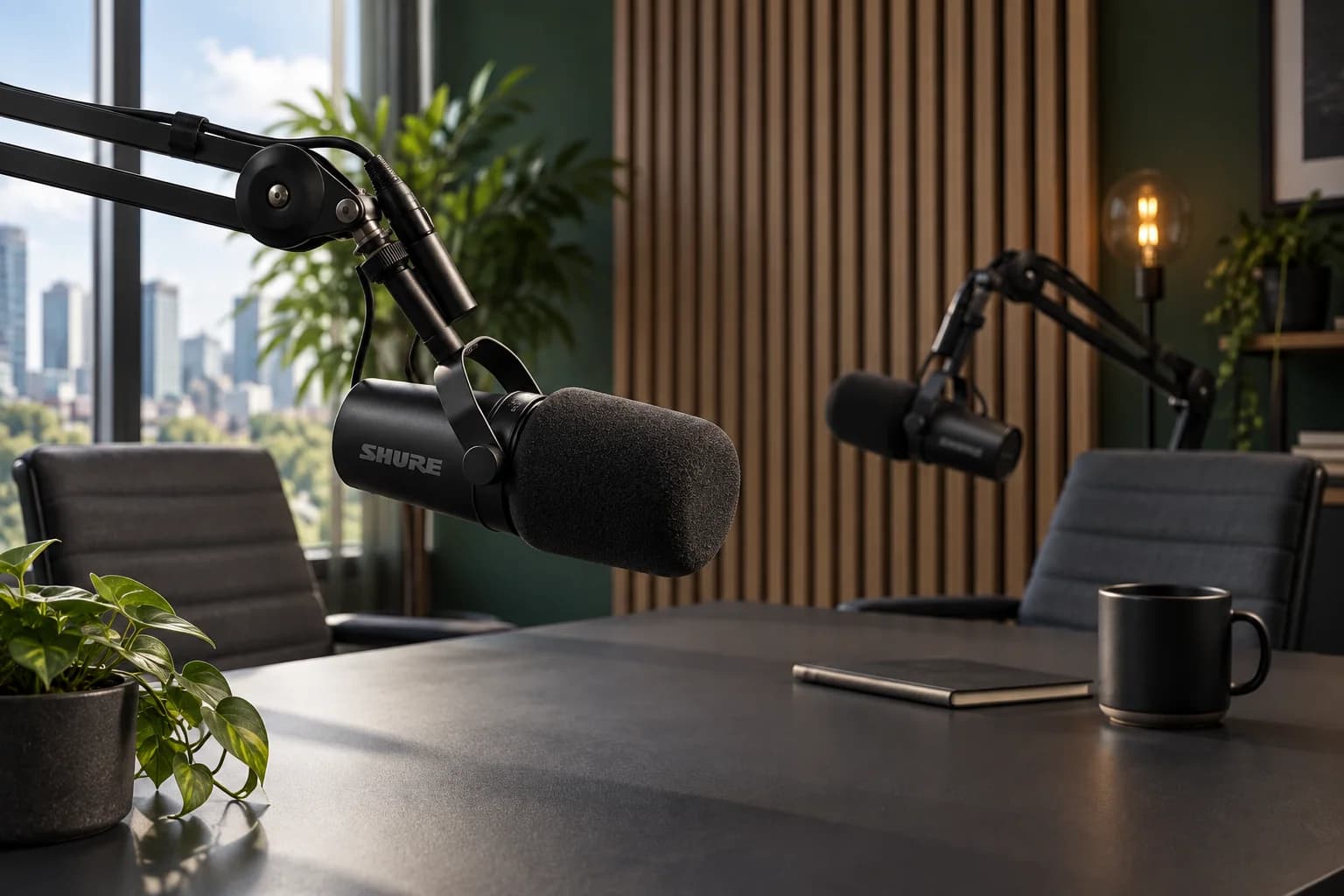

Prepare an interview from opening question to closing handoff, with a working rundown, host transitions and a clear record of what still needs checking.
workflow · podcast · show · stamp
Optional demo graph stamp
Cold open, two segments, insert map, CTA. Multicam as coverage, not as an NLE.
Podcast episode engine template · Applies to the shared Mojave demo, not a private project. Worksheet notes are not imported.
Podcast Launch / Working resource / v1
Make the decision. Keep the record.
Prepare an interview from opening question to closing handoff, with a working rundown, host transitions and a clear record of what still needs checking.
Download worksheet (.md) ↓Includes instructions, a worked example and a blank worksheet. Edit in any text or Markdown editor. Save your copy with your project files; it does not sync to the shared demo.
How to use it
- Start with the show bible and guest brief. Write one episode question and the evidence the guest can discuss; separate researched facts from topics you still need to verify.
- Use the timing below as a rehearsal outline, not a source transcript. Adapt the blocks when the guest has a stronger story; a useful follow-up matters more than hitting a guessed minute mark.
- Prepare the recording and handoff checklist, then confirm who is monitoring sound, marking pickups and reviewing sensitive passages. The optional graph stamp adds a demo structure; it does not record an interview or import these notes.
Review before handoff
- The host has transitions and follow-ups, not a scripted guest response.
- Estimated rundown positions cannot be confused with recorded source timecodes.
- Recording, backup and review responsibilities are assigned before the session.
Fictional worked example
Behind the Decision
An original teaching example, not a customer result. Reference filenames are illustrative; no source media is included.
- Episode question and evidence
- Behind the Decision EP01: What do you protect when a shoot falls behind? Fictional guest Sam is a producer. Ask for a reconstruction of the decision; verify any dates, crew roles and numbers before using them in narration.
- Opening and orientation
- Plan 0–3 minutes: Rowan says, 'Today we are looking at a decision made when a shoot ran out of time. Sam, take us to the moment the original plan stopped working.' This is proposed host copy, not a recorded quote.
- Context and alternatives
- Plan 3–12 minutes: What was left to film? Who had the information you needed? Which options were genuinely possible then? Transition: 'Before we get to the choice, let's understand what each option would cost.'
- Decision and consequence
- Plan 12–23 minutes: Ask what Sam protected, what was cut and who disagreed. Follow up with what happened immediately and what remains uncertain. Do not supply the guest's answer in advance.
- Closing and listener action
- Plan 23–30 minutes: 'Have I understood the trade-off correctly?' Then: 'What would you ask the team before the next schedule slips?' End with the actual agreed takeaway and a brief sign-off; trim or extend after the conversation.
- Record, review and handoff
- Producer checks guest readiness; operator monitors sound and logs issues; editor receives labeled camera/audio files and notes. Verify copies before clearing cards. Hold any uncertain claim for review. Keep source recordings separate from edit exports; no recording exists in this example.
Preview the blank worksheet
The download includes these prompts plus project, version and approval fields. Duplicate rows when you need more coverage or episodes.
- Episode question and evidence
- Name the guest, question, first-hand material and facts requiring verification.
- Opening and orientation
- Draft an opening and first question, with an estimated block length.
- Context and alternatives
- Plan the context block and the questions that reveal real options, not hindsight certainty.
- Decision and consequence
- Plan the central story block and how you will test the apparent lesson.
- Closing and listener action
- Draft a summary invitation and useful final question without overstating the result.
- Record, review and handoff
- List owners for monitoring, pickups, source files, backup verification, fact checks and final approval.